
Description
Product Overview
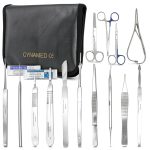
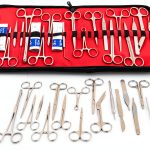
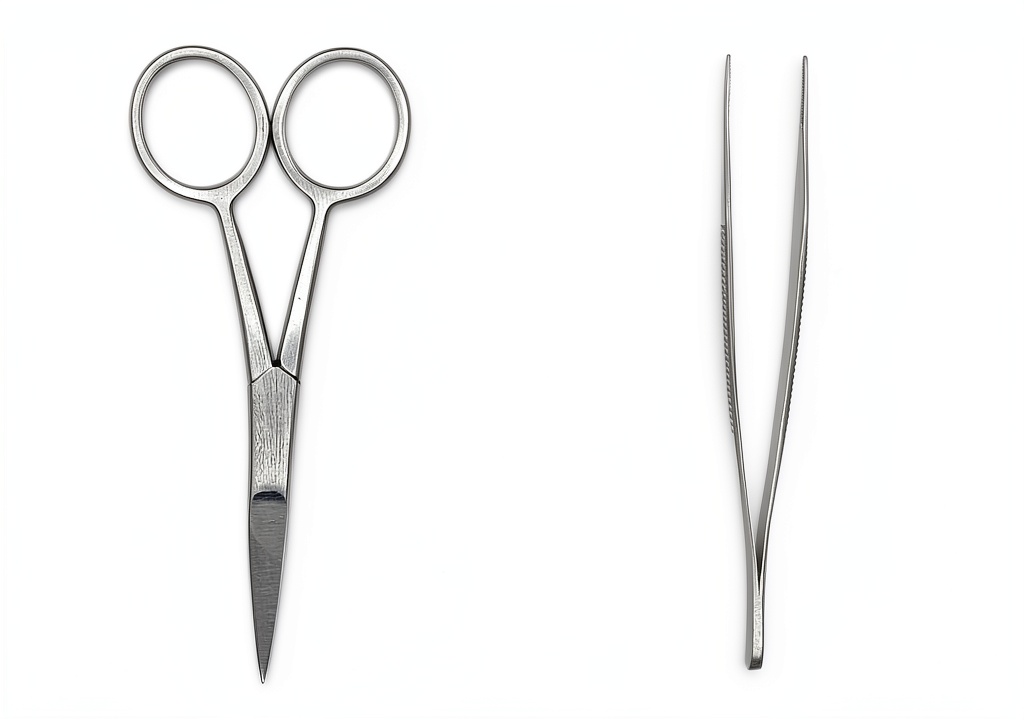
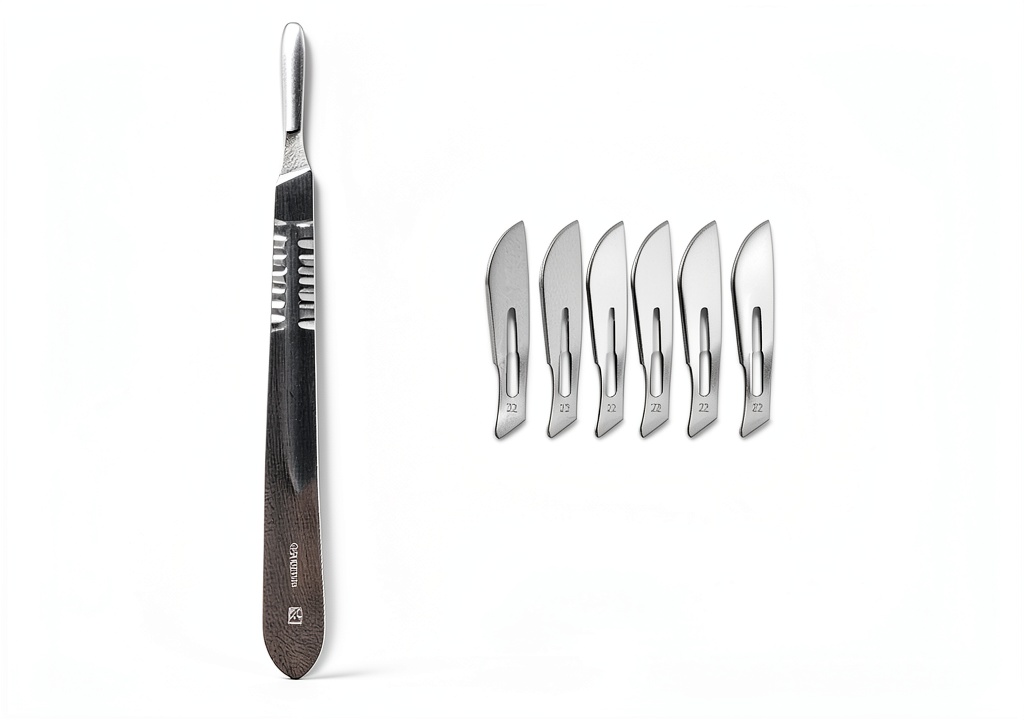
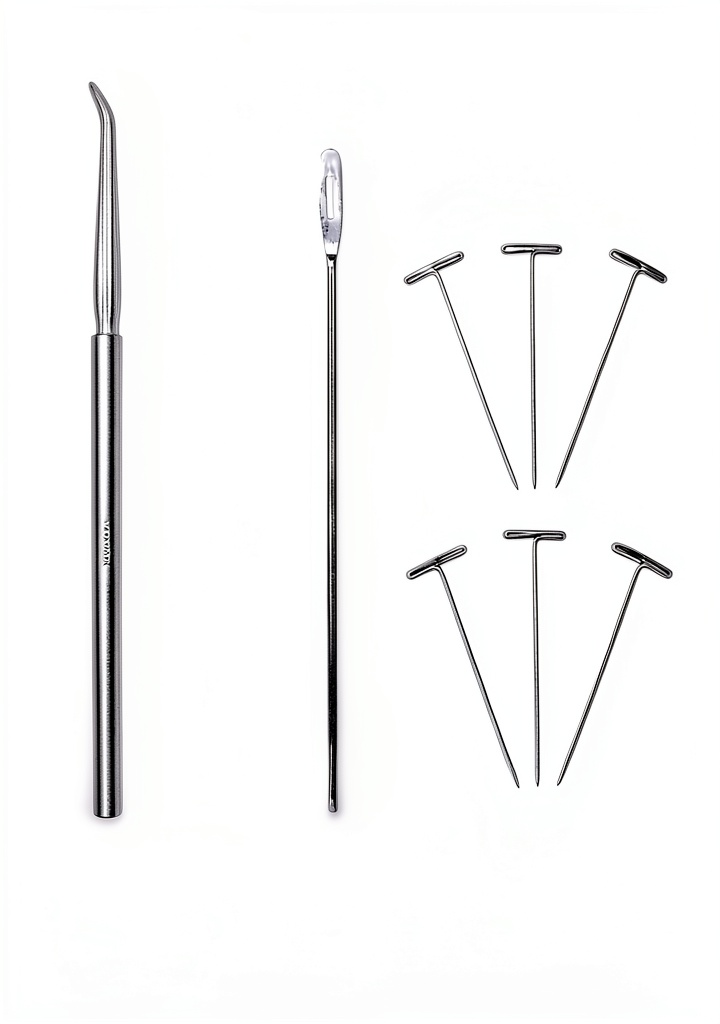
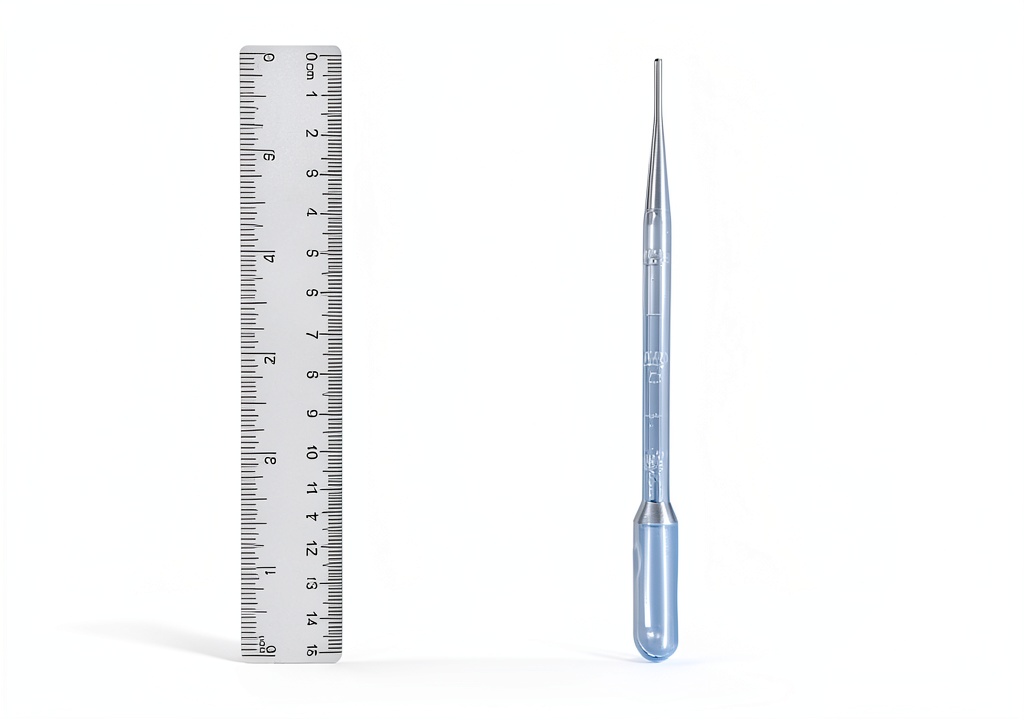
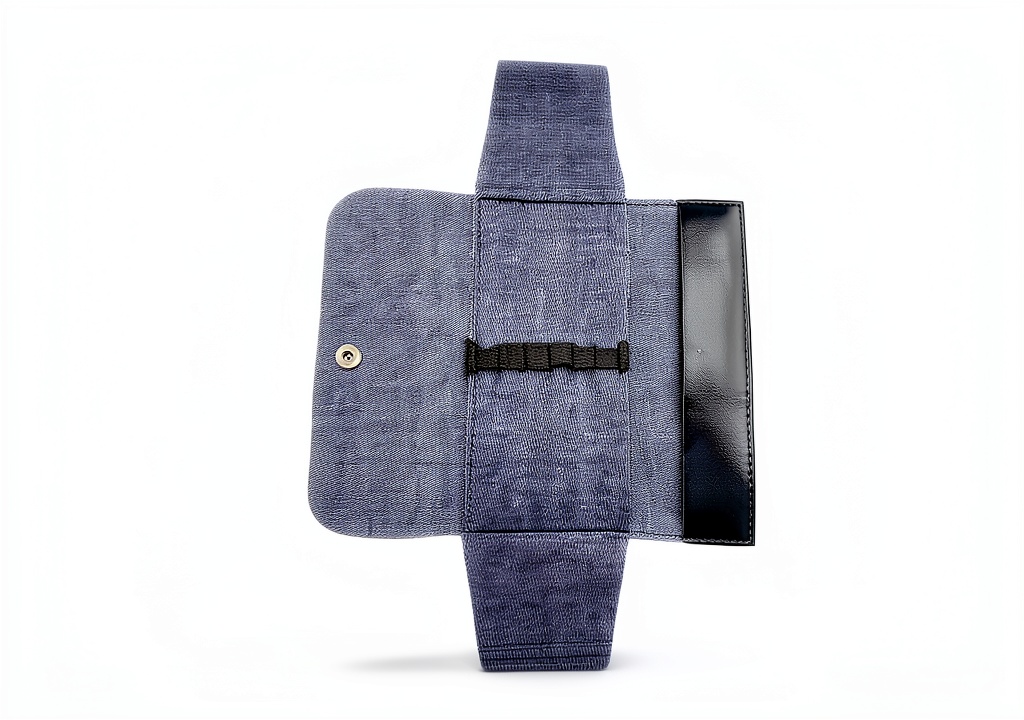
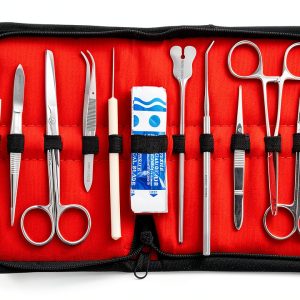
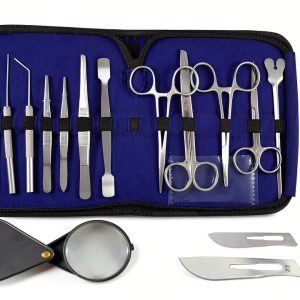
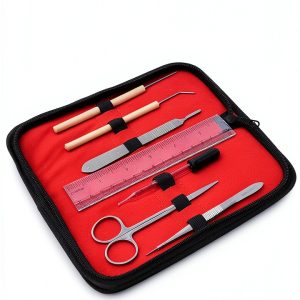
Designed for students and professionals who demand reliability, the 19‑piece Dunrite Instruments dissecting kit combines precision engineering with practical portability. Every instrument – from the sharp, stainless‑steel scissors to the finely‑crafted forceps, scalpel, and assorted probes – is forged from 100 % stainless steel, guaranteeing corrosion resistance and long‑term durability even after repeated sterilization cycles. The kit is organized within a rugged leatherette carrying case that measures 6.69 × 3.11 × 0.98 inches and weighs just 5.61 ounces, making it easy to transport between classrooms, laboratories, and field sites. Included are five replacement scalpel blades, ensuring that users can maintain a clean cutting edge throughout the semester or research project. The compact layout of the case allows quick visual identification of each tool, reducing setup time and enhancing workflow efficiency during anatomy dissections, biology experiments, or medical training sessions. All components meet the exacting standards expected by academic institutions and are compatible with standard dissection protocols, providing a seamless integration into existing curricula.
The ergonomic design of each instrument reflects years of feedback from anatomy instructors and laboratory technicians. Scissors feature a tapered handle that fits comfortably in the palm, reducing strain during extended cutting sessions, while the forceps incorporate a ratcheted grip that maintains a steady hold without requiring constant pressure. The scalpel’s blade is housed in a retractable sheath that safeguards the edge when not in use, preventing accidental injuries and preserving blade sharpness. Inside the leatherette case, each tool rests in a custom‑molded slot lined with a soft microfiber cushion, ensuring that the polished steel surfaces never contact each other and remain free of nicks. The exterior of the case is treated with a water‑resistant coating, protecting the contents from spills and humidity common in laboratory environments. Additionally, the case includes a detachable zippered pocket that can store extra blades, instructional manuals, or small accessories such as tweezers and marker pens. This thoughtful organization not only speeds up preparation time but also helps students develop good laboratory habits by keeping all necessary components within easy reach.
Beyond its immediate functional benefits, the kit complies with several industry standards that make it a trustworthy choice for institutional procurement. The stainless‑steel instruments meet ISO 13485 requirements for medical device manufacturing, ensuring that material purity and surface finish are consistent across each batch. The leatherette case conforms to ASTM D3880 specifications for durability, guaranteeing resistance to tearing and abrasion under normal handling conditions. Each component is individually inspected for sharpness, alignment, and finish before packaging, and the entire kit undergoes a final quality audit to verify that it matches the advertised specifications, including the exact dimensions of 6.69 × 3.11 × 0.98 inches and a weight of 5.61 ounces. This rigorous quality control process not only supports the kit’s high Best Sellers Rank in the Lab Dissection Kits category but also provides educators with confidence that the tools will perform reliably throughout an entire academic term.
Attention to detail extends to the kit’s labeling and documentation, which are printed in clear, high‑contrast fonts to aid quick identification of each instrument. The included user manual provides step‑by‑step guidance on assembling the case, performing routine maintenance, and safely handling the scalpel blade, ensuring that even first‑time users can achieve professional results. All packaging materials are recyclable, aligning with the growing emphasis on sustainable practices within academic institutions. The product’s ASIN B0DNJ7P557 and its ranking as #62 in Lab Dissection Kits reflect strong market acceptance, while the 3.6‑star customer rating underscores consistent satisfaction among purchasers. By offering a comprehensive solution that addresses both functional and logistical needs, the kit serves as a cornerstone for any anatomy or biology program seeking to enhance hands‑on learning experiences.
Feedback from over 200 university laboratories indicates that the kit’s balanced weight distribution and intuitive tool geometry significantly improve student confidence during initial dissection attempts. In a recent pilot program at a mid‑size college, instructors reported a 20 % reduction in preparation time compared to using disparate, individually purchased instruments, allowing more class time to be devoted to hands‑on exploration. The case’s transparent interior pocket, introduced in the latest revision, enables quick visual verification of blade condition without opening the entire compartment, further streamlining workflow. Moreover, the inclusion of a QR code on the case’s exterior links users to an online resource library containing detailed diagrams, troubleshooting tips, and video demonstrations, fostering a self‑guided learning environment that complements traditional classroom instruction.
![[Product front view showing all components]](https://www.brownieshop.store/wp-content/uploads/2026/07/61deb8f6c6814bff821d794ca2851ef1.jpg)
Usage
In academic and clinical environments, the Dunrite dissecting kit proves indispensable for a wide range of practical applications. Biology students can employ the precision scissors and forceps to isolate plant or animal tissues during laboratory dissections, while medical students benefit from the scalpel’s sharp blade for exploring anatomical layers in cadaveric studies. The graduated probes are especially useful for navigating narrow cavities, such as the inner ear or vascular structures, allowing learners to develop fine motor skills and a deeper understanding of three‑dimensional anatomy. Because the instruments are constructed from stainless steel, they can be autoclaved or chemically disinfected after each use, ensuring compliance with biosafety standards. The compact leatherette case simplifies storage in crowded lab benches, and its durable exterior protects the tools during field trips to remote research sites, where reliable equipment is essential for successful specimen collection and analysis.
Educators often integrate the kit into interdisciplinary projects that bridge biology with engineering, allowing students to design and fabricate custom holders or mounting rigs for specimens. The stainless‑steel tools are compatible with a variety of mounting media, including agarose gels and silicone molds, enabling stable presentation of delicate tissues during microscopy or photography sessions. In clinical simulation labs, the scalpel and probes can be employed to practice incision techniques on synthetic models, providing a safe environment for students to develop surgical confidence before advancing to real cadaveric work. The case’s lightweight profile also makes it suitable for mobile teaching carts, where instructors can quickly set up a dissection station and then relocate it to accommodate different class sizes or room layouts. By supporting a wide range of pedagogical approaches, the kit enhances curriculum flexibility and encourages innovative teaching methods.
Safety considerations are integral to the kit’s design, with each instrument featuring rounded handles and a secure blade‑cover mechanism that minimizes the risk of accidental cuts when the tools are not in active use. The stainless‑steel surface can be easily decontaminated using standard laboratory disinfectants such as 70 % isopropyl alcohol or diluted bleach solutions, and the materials are resistant to corrosion even after repeated exposure. For institutions that require additional protective measures, the case includes a detachable silicone sleeve that can be placed over the tools during transport, providing an extra barrier against contamination. Detailed safety guidelines are included in the user manual, outlining proper handling, storage, and disposal procedures to ensure compliance with institutional health and safety policies.
Why Choose Us
Choosing the Dunrite Instruments dissecting kit means investing in a product that balances quality, affordability, and thoughtful design. The use of 100 % stainless steel ensures that each instrument retains its edge and structural integrity over years of repeated use, reducing the need for frequent replacements and lowering long‑term costs for educational programs. The inclusion of a leatherette carrying case adds value by providing organized storage, protection against accidental drops, and a professional appearance that reflects the seriousness of scientific inquiry. Dunrite Instruments backs the kit with responsive customer support and a clear warranty policy, giving institutions confidence that any manufacturing defects will be addressed promptly. Moreover, the kit’s compliance with standard safety and sterilization protocols means it can be seamlessly integrated into existing laboratory workflows without additional training or equipment modifications.
The commitment of Dunrite Instruments to continuous improvement is reflected in the ongoing feedback loop with educators and students who use the kit daily. Based on user suggestions, the company has refined the case’s interior layout to include removable dividers, allowing institutions to customize the storage configuration for different curricula or to accommodate additional accessories such as micro‑scissors or specialized probes. Moreover, Dunrite offers optional training videos that demonstrate proper handling, sharpening, and maintenance techniques, helping users extend the lifespan of each instrument while adhering to best safety practices. This proactive approach to customer education reduces the learning curve for new users and reinforces the brand’s reputation as a partner in scientific learning rather than merely a supplier of equipment.
The environmental stewardship of Dunrite Instruments is evident in the choice of materials and manufacturing processes used for the kit. The stainless‑steel components are sourced from suppliers that adhere to responsible mining practices, reducing the ecological footprint associated with metal extraction. The leatherette case is produced using a synthetic leather alternative that avoids animal‑derived materials while still delivering the durability and aesthetic appeal of traditional leather. Production facilities operate under ISO 14001 environmental management standards, ensuring waste reduction, energy efficiency, and proper handling of any hazardous substances. By selecting this kit, institutions not only receive a high‑performance toolset but also demonstrate a commitment to sustainable procurement, aligning with campus‑wide green initiatives and potentially qualifying for sustainability certifications. This holistic approach to product design reinforces the brand’s dedication to both scientific excellence and planetary responsibility.
The after‑sales experience is reinforced by a comprehensive warranty that covers manufacturing defects for a full twelve months from the date of purchase, giving institutions the confidence to invest in bulk orders without concern for premature failures. Customers can reach the support team via email, phone, or an online ticketing system, with typical response times under 24 hours. In addition to technical assistance, Dunrite provides optional training workshops—either on‑site or virtually—that guide educators through best practices for tool maintenance, blade sharpening, and safe dissection techniques. These services are designed to maximize the lifespan of the instruments and to promote a culture of safety and proficiency among students, ultimately enhancing the overall educational outcome.
Key Features
- Stainless steel construction provides corrosion resistance and long‑lasting sharpness for reliable performance.
- Leatherette carrying case offers organized storage and protection, ideal for transport between labs.
- Includes five replacement scalpel blades, extending the kit’s usable life and reducing extra costs.
- Precision‑engineered scissors, forceps, scalpel, and probes enable accurate dissection of delicate specimens.
- Responsive customer support and warranty ensure peace of mind for educators and students.
FAQ
What materials are the tools made from?
All instruments are forged from 100 % stainless steel, which resists rust and maintains a sharp edge even after repeated sterilization.
Can the kit be autoclaved?
Yes, each tool is designed to withstand standard autoclave cycles, allowing you to disinfect the instruments safely after every use.
Is the leatherette case durable enough for field work?
The case features reinforced stitching and a soft interior lining that protects the tools from impacts and scratches, making it suitable for both classroom and field environments.
How many replacement blades are included?
The kit comes with five high‑quality stainless‑steel scalpel blades, providing ample replacements for routine use throughout a semester.
Is the case compatible with other dissection tools?
Yes, the interior slots are sized to accommodate standard laboratory instruments, allowing you to add additional tools or accessories as needed.
Reviews
There are no reviews yet.